The Sony ZV-1 is a vlogging camera. But, that’s not how I use it. I don’t vlog. And that’s not how I’m going to review it. This is going to be a real world, real user review of the Sony ZV-1 as a photography camera.
Is a camera designed for video even good for stills photography? As it turns out, yeah, it’s pretty damn good. In fact, I’m even going so far as to say it’s one of the best compact cameras for photography right now.
I would just like to first clarify that I am talking about the original Sony ZV-1 here. The one released in 2020. I am NOT referring to the Sony ZV-1F or the newer Sony ZV-1 Mark II.
I have a quick comparison between the original ZV-1 vs the ZV-1F and the ZV-1 Mark II below, and I explain why I much prefer the original ZV-1 for stills photography.

Specs
At its core, the Sony ZV-1 has the Sony RX100 V’s 24-70mm-equivalent f/1.8-f/2.8 zoom lens, and some quality of life improvements first introduced on the Sony RX100 VII such as the touchscreen and the most important feature of all: Sony’s class leading real time tracking autofocus (!). It’s all in a compact body designed for video. But, don’t worry, I’ll talk more about why that isn’t such a big deal below.
- Sensor: 1-inch stacked sensor
- Resolution: 20 megapixels
- Lens: 24-70mm-equivalent f/1.8-f/2.8
- Image Stabilization: Yes, optical
- Autofocus: 315 phase detect points with real time tracking (in the RX-series, only the RX100 VII has this)
- Body Dimensions: 105.5mm x 60mm x 43.5mm (4.15 inches x 2.36 inches x 1.7 inches)
- Weight: 294 grams with battery and SD card
- LCD size: 3-inch vari-angle with touchscreen
Battery used: Sony NP-BX1 (same as every Sony RX100 camera, you’ll want a spare or two) - Battery life: 260 shots (CIPA rating)
- Hot-shoe: Sony multi-function hot shoe. Works with the Sony ECM-G1 microphone, but can’t power the other larger microphones. And no, it does NOT work with the Sony FDA-EVM1K external viewfinder originally designed for the Sony RX1. I tried, no bueno.
Body and Handling and Portability
Ergonomics are.. not bad. Yes, the body is definitely not built for stills photography, but, considering that the RX100 series is basically a slippery bar of soap, this isn’t all bad.
Out of the box, the first thing I noticed is that it has a significantly better grip than the RX100 series. One of the things that annoyed me the most about the RX100 series is that it requires an extra purchase to improve the grip. The ZV-1 is also a bit thicker than the RX100 series, and not only is there an improved grip on the front, there is also a better indent on the back for the thumb to rest on.
There is only one custom button, and unfortunately, the big red record button cannot be customized. But, you can assign key functions (like ISO or exposure comp) to be easily accessed. But, the key is really to treat this camera as a literal point and shoot. Once you understand that, the ZV-1 becomes very fluid to shoot with.
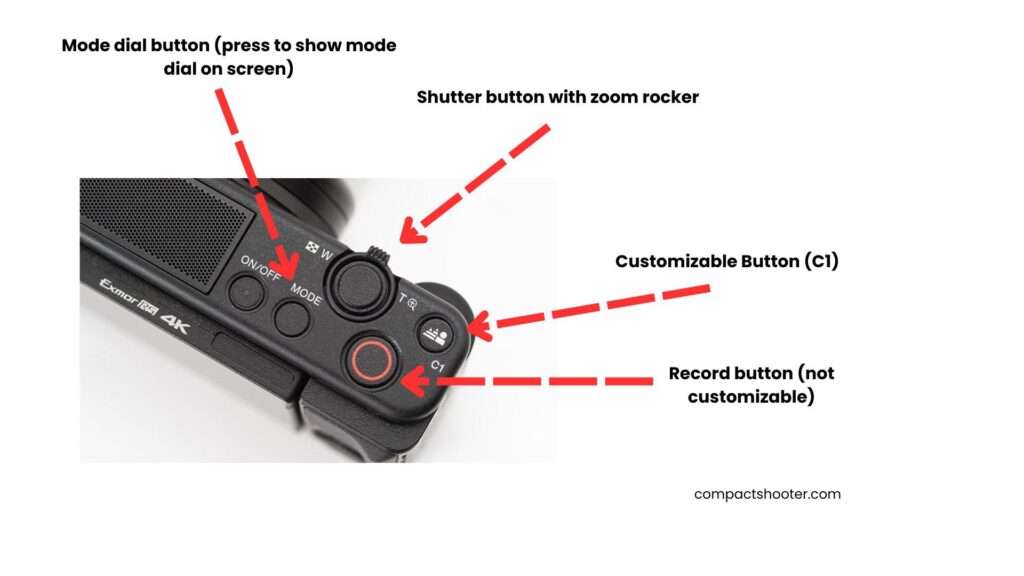
And here are all the buttons that you can customize as shown on the manual:
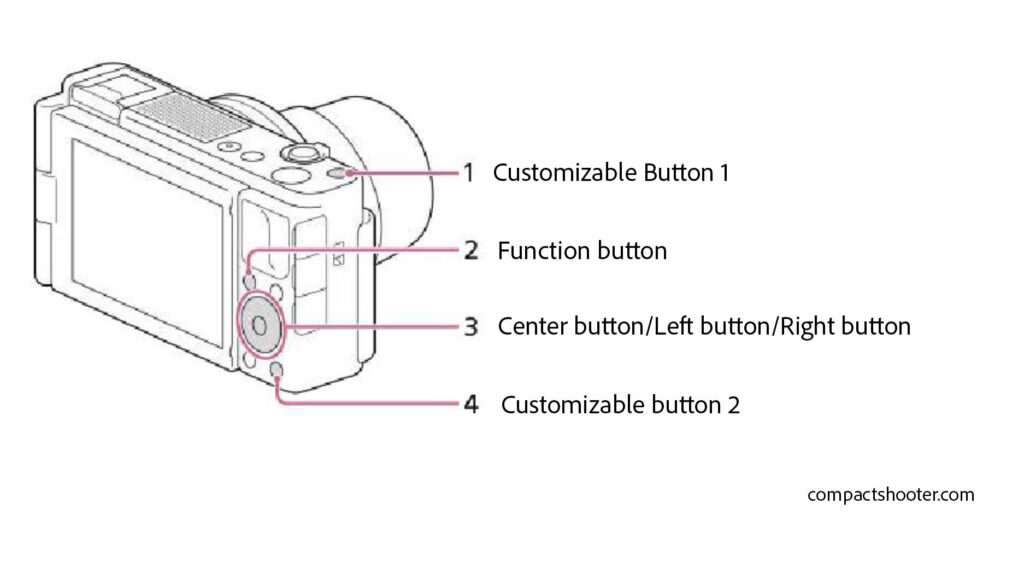
The function button isn’t customizable. It’s always set to bring up the function menu, but you can configure what options show up in the function menu.
As an everyday carry camera, the portability is unbeatable. It fits easily into a small pocket or bag, and the lens retracts completely when powered off. I could go out with just my wallet, phone, and ZV-1, that’s it.
Compared to carrying even a small mirrorless camera with a small lens, the ZV-1 feels liberating. You don’t think twice about bringing it everywhere. And that’s the real secret of a good everyday carry (EDC) camera: it’s the one you actually have with you even when you don’t plan on photographing anything.
I used it a lot for random street snapshots, and it is the perfect camera for that. It’s unassuming and non-threatening, it’s just a little point and shoot.

The three big things that are missing on the ZV-1 compared to the Sony RX100 series are:
- No pop-up viewfinder
- No control ring around the lens
- No physical mode dial (instead we get a mode BUTTON, which displays a mode dial on the screen)
Now, these sound like these are really big omissions. Why not get an RX100 V or RX100 VA and get the same lens, and still have a photography friendly body?
You could do that. In fact, lots of people do that, which is probably why the RX100 V and VA typically sell for more in the used market.
But –
Sony ZV-1 vs Sony RX100V and RX100 VA
BUT, and to me, this is a big but – the RX100 V and RX100VA don’t have real time tracking or any of the latest AF tracking modes. They still use the old lock-on AF. As I described in my real world review of the Sony RX100 V, this was the biggest thing holding the RX100 V back. Because of the tiny body, these cameras are best used as a point and shoot.
Fiddling around with tiny buttons trying to move a focus point is just not what they’re built for. Having real time tracking AF allows me to just leave the focus point in the center, half-press to track a subject, and that’s it. I just need to worry about my framing. Doesn’t matter how the subject moves or how I reframe the camera, as long as I keep the shutter half-pressed, then it will track reliably in most everyday situations. The RX100V doesn’t even have a touch screen to make life easier.
It’s one of those YMMV things. For the way I shoot, and the way I use EDC cameras like this, having the ease of use of the current generation Sony tracking technology is enough to trump the loss of the viewfinder, the control ring around the lens and the mode dial on top.
If you mostly shoot static scenes and rarely shoot anything that moves, maybe the updated AF isn’t such a big deal for you.
You can also check out my Sony RX100 V review here.
Sony ZV-1 vs Sony RX100 VII
Here, the big difference is the lens. The Sony RX100 VII comes with a tremendous 24-200mm f/2.8-f/4.5 lens. That’s an 8.3x zoom range vs the 2.9x zoom range on the ZV-1 and RX100 V.
While the RX100 VII has the same autofocus features, including real time tracking, as the ZV-1, its lens is quite a bit darker in the shared 24-70mm range.
On the RX100 VII, it is already at f/4 at about 40mm to 70mm-equivalent, while the ZV-1 is at f/2.8 for the same range. That is a full stop difference.
At the 24mm end, the difference is slightly more. The ZV-1 has a 1.3 stop advantage at 24mm-equivalent vs the RX100 VII.
In a 1-inch sensor camera, 1 stop is a huge difference. That’s the difference between ISO 3200 and 6400, or between an ISO 6400 raw file that can still be cleaned up vs a potentially unusable shot.
To me, the RX100 VII and the ZV-1 are not really competitors. The RX100 VII is in travel zoom territory. In my review, I explained that it’s a great way to have 200mm reach in such a small package. It’s a great all-around daylight camera, or as a companion to a larger sensor camera with a faster lens.
The ZV-1 and its 24-70mm f/1.8-2.8 lens has a lot less reach, but its brighter lens is more flexible indoors and light where the RX100 VII would be best left in a bag. If I could only have one, the ZV-1 is more useful, unless I only took pictures in great light. But, as a companion to a bigger sensor camera, the RX100 VII shines.
You can also check out my Sony RX100 VII review here.
Usefulness of the 24-70mm-equivalent zoom
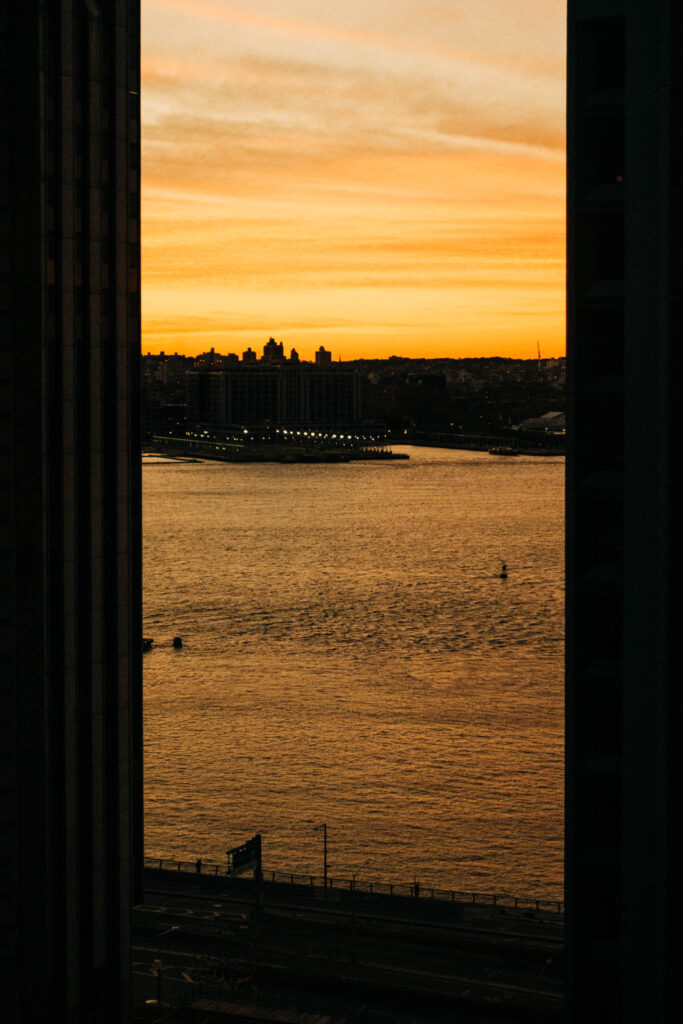
The built-in 24-70mm-equivalent zoom is one of the ZV-1’s biggest strengths especially compared to the ZV1f, which has a fixed 20mm-equivalent lens and the ZV-1 Mark II, which has an 18-50mm-equivalent lens. It covers the classic “walkaround” range – wide enough for landscapes and architecture, long enough for portraits and street scenes.
The f/1.8-2.8 aperture is genuinely useful in low light, and the lens’ close focusing ability makes it great for food or product photography too.
I already knew that a fast lens like this even with a 1-inch sensor was incredibly useful from when I owned the Sony RX100 V. Now that I have the RX100 VII and its much slower lens, I found myself appreciating the flexibility of the brighter aperture in everyday shooting. With a compact camera where you can’t change the lens, you want something that’s flexible enough to allow you to capture everyday life as it happens, and the ZV-1 does that well.

Real Time Tracking Autofocus
I keep harping about this in every Sony camera review I do, and I will keep doing so until this is a feature that becomes standard in most other cameras.
We’re getting there, slowly.
Canon’s Servo AF in its current gen RF cameras are now just as good as Sony’s. They’ve also shown that it’s going to be a standard feature in all cameras because they’ve trickled it down to almost all their cameras, including budget cameras like the Canon EOS R100.
Nikon is slowly and surely getting there as well. Nikon’s 3D tracking AF also works similarly and is used in almost all their Mark II or upcoming Mark III cameras.
The reason I find this such a big deal is that it has genuinely changed the way I shoot. It used to be that I shot most things in AF-S, then I would only switch to AF-C and tracking when I needed it, and hoped and prayed that I’d get the shot.
But, now, that just isn’t needed anymore. I can shoot 99.9% of what I need to shoot in AF-C. And tracking is no longer something that you had to learn or to fight with. Now, it’s a simple matter of pointing the focus point at your subject and the camera will track. You no longer need to try and keep the focus point above your subject, you no longer need to spray and pray.
It’s just one less thing I need to think about when shooting, allowing me to concentrate on framing or other more important things than making sure the focus point is above my subject.
Eye AF for humans and animals works surprisingly well, locking on quickly and holding focus confidently even in low light.
In real-world use, I rarely missed focus. Whether I was photographing people walking through a busy street or my kids running around at home, the ZV-1 nailed it 99% of the time.
If you’ve always associated compact cameras with poor autofocus compared to interchangeable lens systems, the Sony ZV-1 feels like magic by comparison.
Low Light and High ISO Performance
The 1-inch sensor has its limits, of course. Push the ISO past 3200 and you’ll start to see noise, especially in shadows. But the grain pattern is fine and film-like, not ugly or smudged.
With the fast lens, though, I rarely had to go that high. At f/1.8-2.8, you can shoot indoors or at night without constantly cranking the ISO. Combined with the optical stabilization, it’s easy to handhold at slower shutter speeds, too.
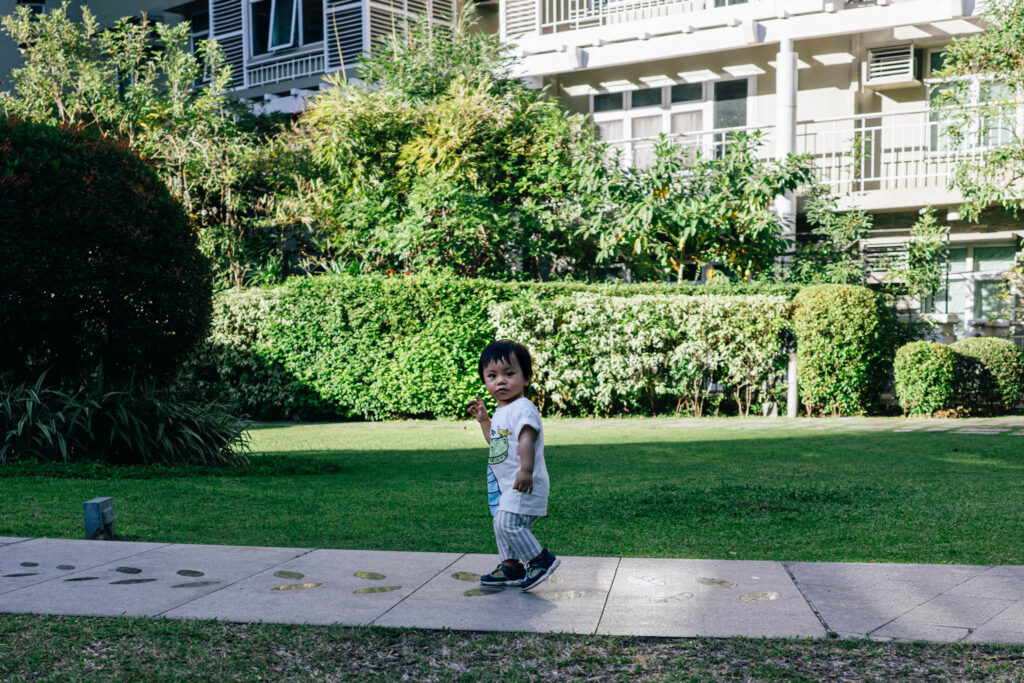
In real world use, I found the ZV-1 can do low light well: evening city shots, dim cafes and restaurants and candlelit scenes, all the places where the Sony RX100 VII or a phone start relying on computational tricks that don’t play nice with subject motion.

Sony ZV-1 vs ZV-1F vs ZV-1 Mark II
The Sony ZV-1 has a 24-70mm-equivalent f/1.8-2.8 lens.
The Sony ZV-1F has a 20mm-equivalent f/2 lens, and relies on a slower contrast-detect autofocus. It does not have phase-detect AF points.
The Sony ZV-1 Mark II has an 18-50mm-equivalent f/1.8-4 lens.
The entire ZV series is meant for vlogging, and the ZV-1f and the ZV-1 Mark II with their wider lenses show Sony doubling down on that.
As a stills camera, the ZV-1F is an easy one to rule out. Its fixed ultra-wide lens is too limiting for everyday photography, and its contrast-detect-only autofocus struggles in low light and with moving subjects. It’s the cheapest of the trio, but there are just way too many compromises here.
The ZV-1 Mark II has an interesting zoom range, covering an equivalent of 18-50mm in full frame terms. That means, it’s quite a bit wider than the ZV-1, but its lens doesn’t quite have the same reach as the ZV-1.
Some photographers may even prefer the coverage of the Mark II vs the 24-70mm-equivalent zoom on the ZV-1 Mark I, but the tradeoff is in aperture. The lens on the ZV-1 Mark II is slower (darker in aperture).
It is at f/2.8 at 24mm-equivalent (where the ZV-1 is at f/1.8) and further narrows down to f/4 at 35mm-equivalent focal length (where the ZV-1 is at f/2.8).
This makes the ZV-1 Mark II similar to the RX100 VII which is also slower (darker) in the same focal lengths. The ZV-1 is a full stop faster (brighter) in the shared focal length from 24-50mm-equivalent. And, in a small sensor camera like this, every bit of extra light matters.
Verdict
The Sony ZV-1 is a joy to use and carry. But, we already knew that just by looking at. What is surprising is that it still works perfectly as an everyday camera even if you have zero interest in video.
Tucked into a jacket pocket, tossed into a small sling bag, sometimes even in jeans. I used it for random street shots, chasing my kids around, grabbing quick urban scenes while walking around, travel snapshots, food photos. It’s a great companion for random walks around the neighborhood.
I used it to document my life. I used it where I normally would’ve just pulled out my iPhone.What I found was a camera that reminded me why “real cameras” still matter, especially when they’re this easy to bring everywhere. The big advantage of a phone as a camera is that it’s always with you. The ZV-1 doesn’t quite live in your pocket like a phone, but it’s close enough that the difference stops mattering in many situations.
Check out the current street price of the Sony ZV-1 on Amazon.
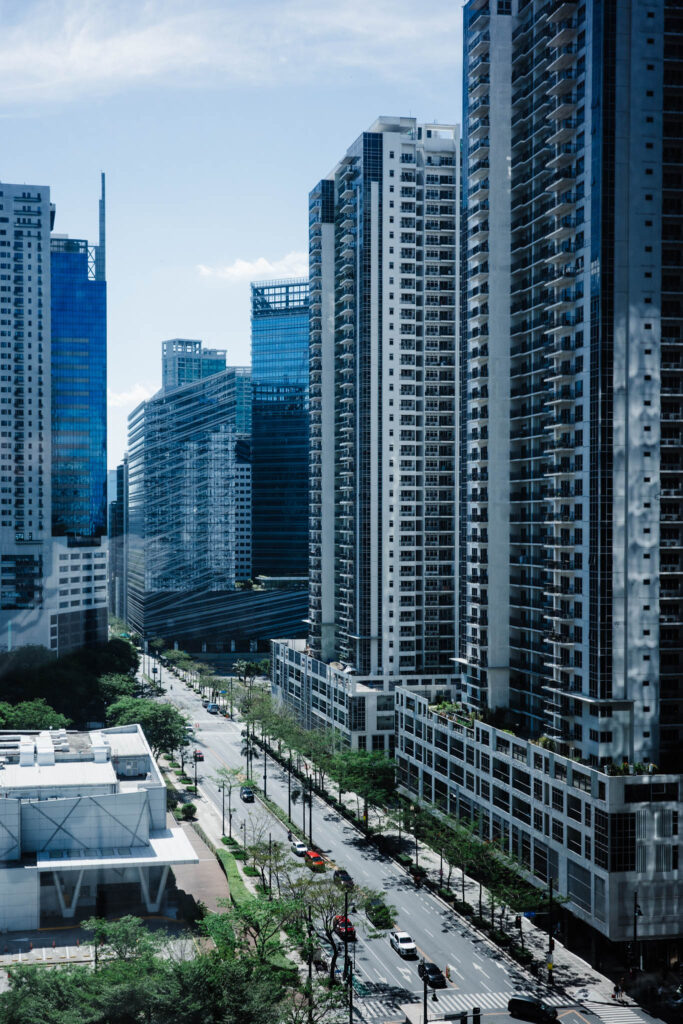
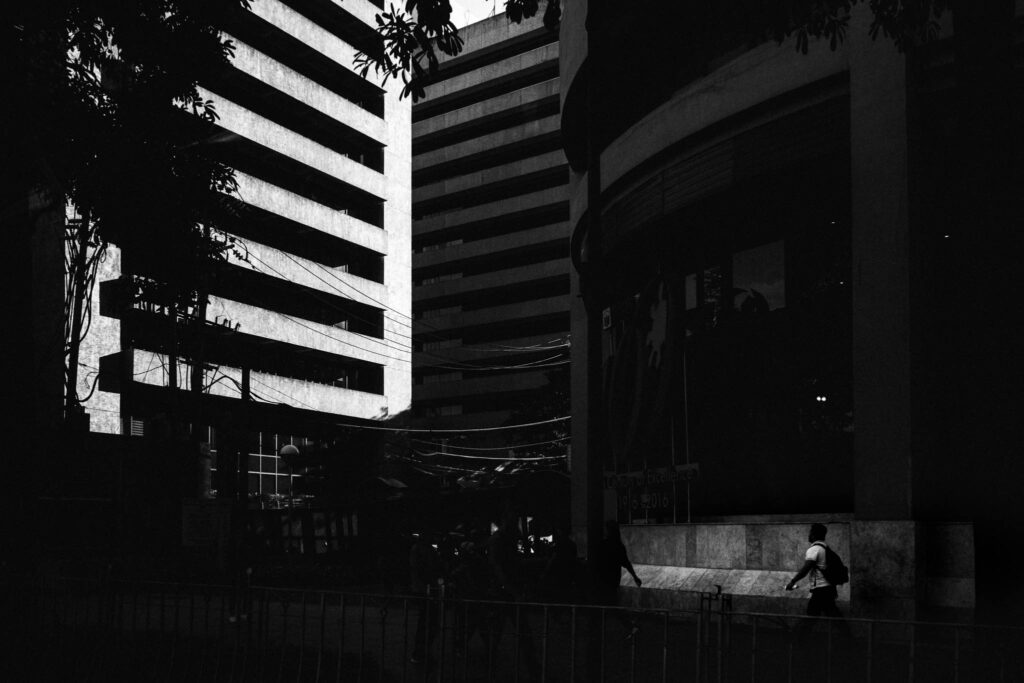
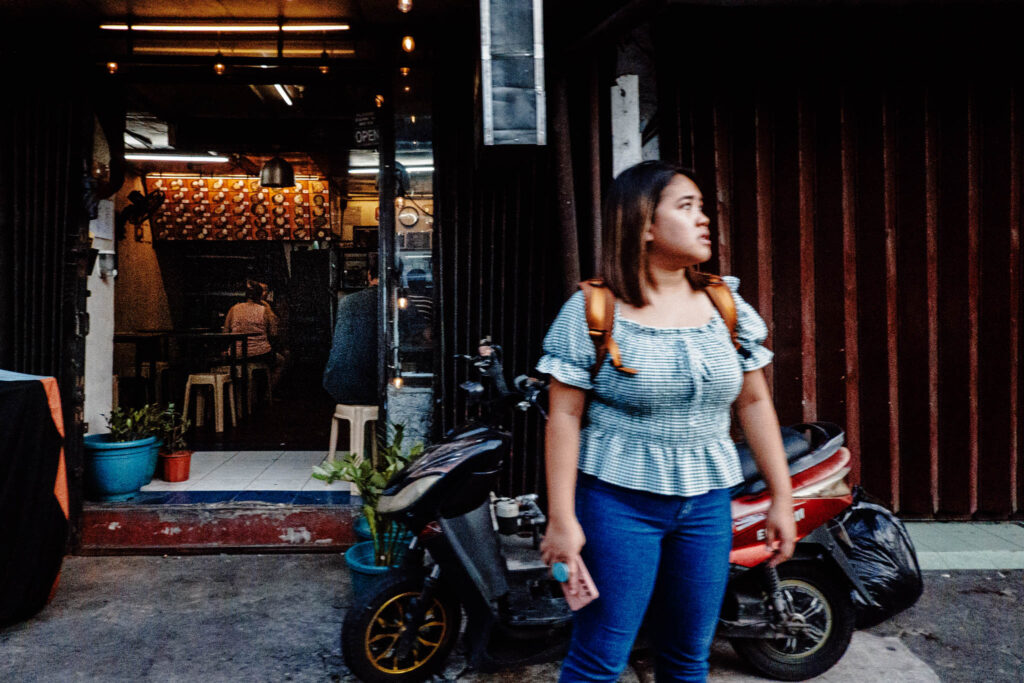
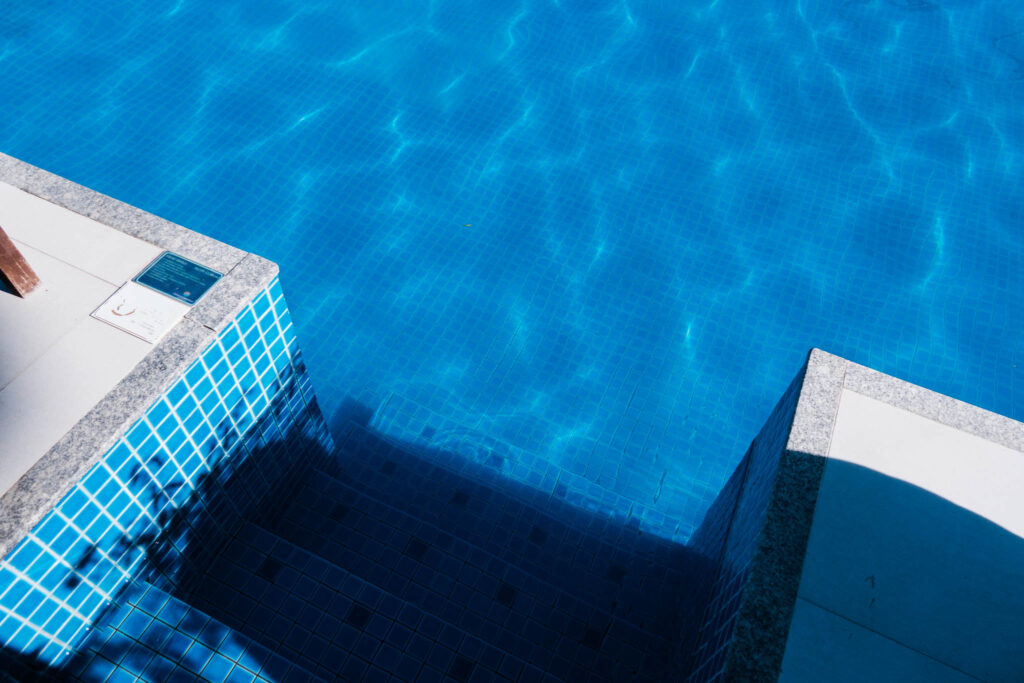
More images below. Like I said, it’s a great camera to just walk around with.




What settings would you recommend for people who aren’t that well-versed in photography and are looking to use this as a casual point and shoot?
use shutter speed 150 in shutter mode, the rest in auto. now you’re good to go