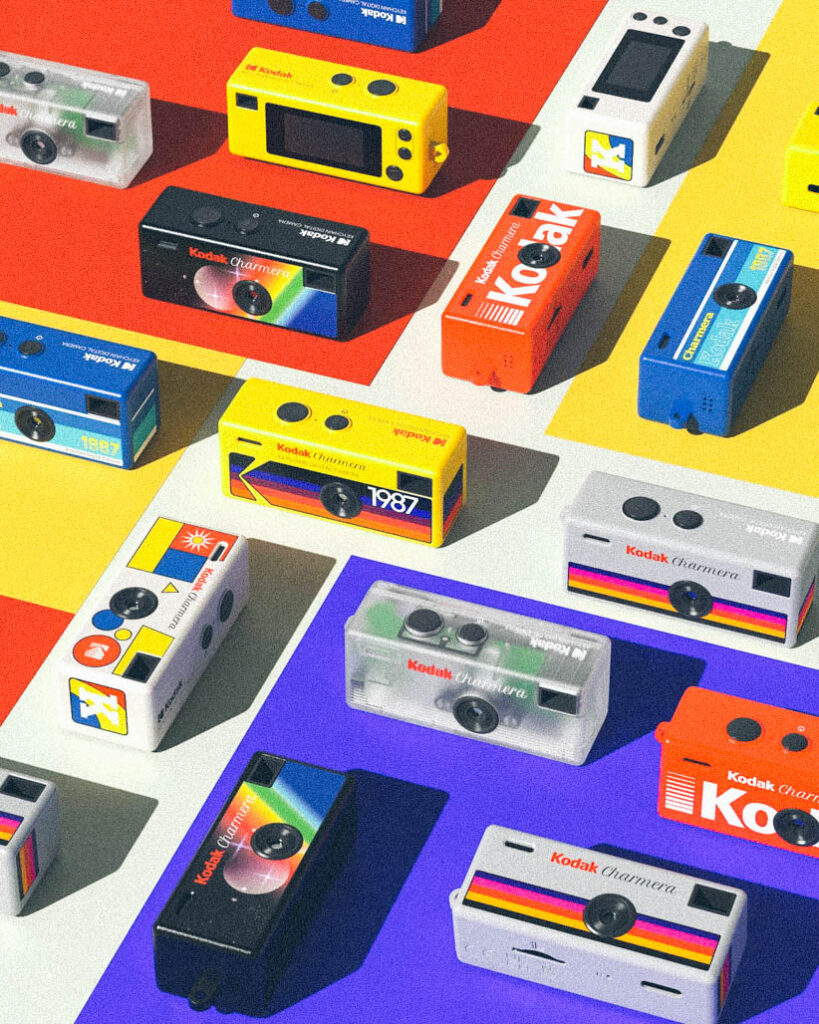
It’s tiny, it’s cute, it’s got a cool retro design, it looks like a 110 film pocket camera from the ’80’s, and it only costs $30. It’s one of this year’s most irresistible gadgets. It’s the Labubu of the camera world.
It’s not normally the kind of thing I’d pick up and shoot with, but I had the chance to borrow and shoot with the Kodak Charmera keychain camera recently, so I thought, what the heck, why not. I’m too old to be dismissive of toy cameras. While this isn’t my usual kind of review – it’s not a product that lends itself to that – this is still a real world review of the Kodak Charmera.
The Tiny Camera Paradox
We live in an era of photographic obsession. Our pockets hold smartphones armed with 50-megapixel sensors and computational magic, while professionals and hobbyists tote around cameras with ever-higher resolutions while chasing technical perfection. We scrutinize every pixel, demanding flawless crispness and clarity. And yet, we have this – the Kodak Charmera – a tiny, $30 keychain camera with intentionally bad image quality that is selling out instantly every time it’s restocked.
The Kodak Charmera is a paradox. It’s a digital toy that spits out grainy, low-resolution images reminiscent of a disposable camera from the 80s (or a webcam from the early 2000’s), depending on how you look at it.
By every modern metric, it’s a terrible camera. So, what is it about this lo-fi gadget that has captured the imagination of people from all ages?

The “Bad” Photos Are The Whole Point
The camera is built around a tiny, and I mean tiny, 1/4-inch, 1.6-megapixel sensor and a plastic lens. The result is objectively poor-quality images with poor detail and little to no dynamic range. Some have described it as producing photos that look like they came from a digicam from 1999. I wouldn’t know. I picked up my first digital camera circa 2003-2005. They were already way better than this.
We’re not even talking iPhone 3G quality here. Not even close. If all you want is portability and a vintage aesthetic with ‘decent’ to good image quality, buy any iPhone that can still run an app like Dazz cam or mood.camera.
But, on the flip side, I would argue that that’s potentially missing the point of the Charmera entirely. The crap quality is precisely the appeal. The Charmera is an intentional embrace of a “lo-fi” aesthetic that values character and mood over clinical perfection.
This approach serves as a welcome antidote to the relentless pressure of creating flawless, social-media-ready images. This intentional rejection of technical perfection is more than just an aesthetic choice; it’s the very mechanism that delivers the camera’s true product: a sense of liberation from the pressure to perform.
The big problem is that for some, the bar of what qualifies as lo-fi, is just considerably higher. If a smartphone and the previously mentioned dazz cam and mood.camera doesn’t cut it for you. In that case, maybe you can grab an m43 camera with something like the Olympus 15mm body cap lens (30mm-equivalent field of view). Or any of the toy lenses available for whatever camera you’re using right now.
The Kodak Charmera just isn’t a camera you get for image quality. The whole package has to appeal to you. The looks, the size, the “nostalgia”, and the low-res image quality.

It’s a Masterclass in Hype and Collectibility
The Charmera’s commercial success is fueled by a brilliant marketing strategy that borrows from the “Labubu blind box craze.” When you buy a single camera you won’t know which of the seven retro designs you will receive until you open the box. It’s a game of chance and collection.

Personally, while I can definitely call myself a camera collector, I am not much of a collector in this sense. I’m not the type to own two different colors of the same thing.
But, what do I know. This marketing model works. I remember country music star Garth Brooks used to sell the same album with different album covers, and people would buy the exact same album more than once just to get the different covers.
Initial batches of the Charmera sold out completely and created a feeding frenzy. As of the initial date of this review, it is still hard to find. The thrill of the hunt for a specific color or the rare 1-in-48 transparent model has led to high resale prices and fueled a cycle of hype. Some argue that this gamification is a perfect match for the product’s philosophy: the value isn’t in the known technical specifications, but in the surprise and the unique, unpredictable experience.
The Nostalgia Is Deeper Than Just a “Retro Vibe”
While many products aim for a generic retro look, the Charmera’s design is a direct and specific tribute to the “Kodak Fling,” a cardboard and plastic disposable 110 film camera released in 1987.
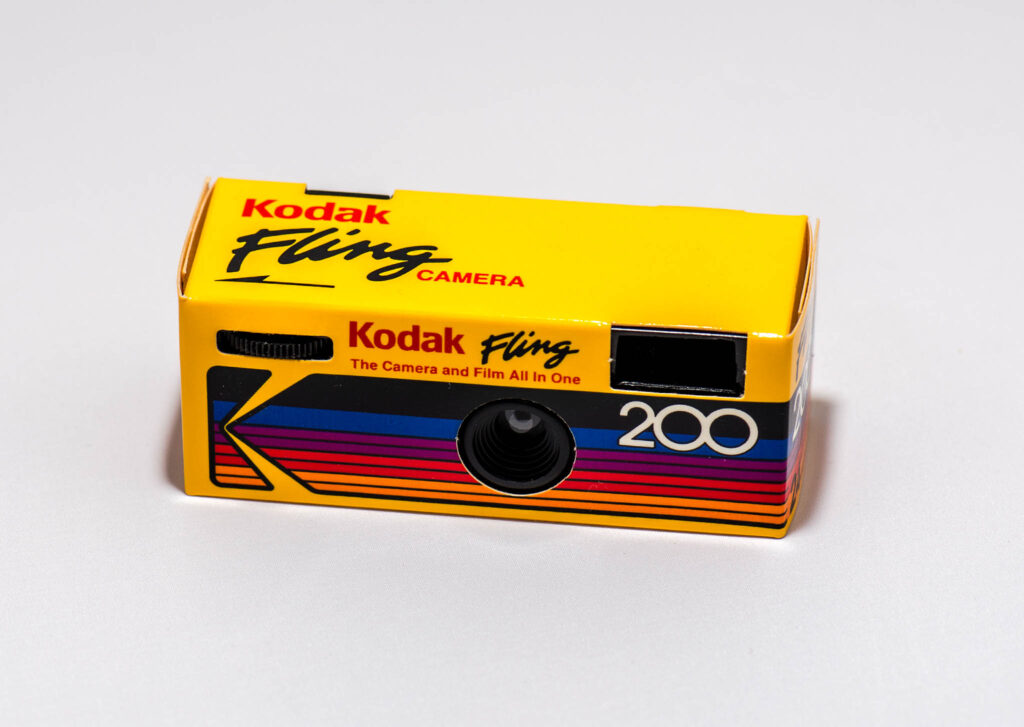
This historical connection is made explicit in the details. On the Charmera model that directly mimics the Fling’s design, the manufacturer, Reto Project (the current owner of the Kodak brand name), replaced the ‘200’ film speed rating with 1987, as a nod to the original release year. This level of specific, authentic nostalgia creates a much stronger emotional connection than a simple vintage color scheme ever could, linking the user to a tangible moment in photography’s past.
I’m not even sure if I’m using the right term here. ‘Nostalgia’ is defined as “a sentimental longing or wistful affection for the past, typically for a period or place with happy personal associations.” But, the vast majority of buyers of the Charmera do not appear to be people who were even born in the 80’s, much less the 90’s. I don’t know if nostalgia is the right term here.
RELATED: The best vintage style digital cameras
So, what’s it really like in use?
Despite its “toy camera” status and rock-bottom price, the Charmera includes a slate of modern features that make the experience accessible and fun, not frustrating. It cleverly blends its retro output with contemporary functionality.
- Sensor: 1/4 inch CMOS sensor, 1.6 megapixels
- Lens: 35mm-equivalent f/2.4 lens (no zoom)
- Weight: 30 grams
- Dimensions: 58mm (W) x 24.5mm (H) x 20mm (D)
- Viewfinder: Yes, tunnel style, not through the lens
- Battery: Built-in 200 mAh rechargeable battery; charges via a standard USB-C port; can be charged with powerbank, but it cannot be used while charging
- Video recording: The camera can capture 1440×1080 video with sound, creating footage with a distinct, almost square, home-movie feel. Officially, it’s listed as 30fps, but it looks jerky.
- Storage: Supports microSD cards up to 128GB, which can hold tens of thousands of its tiny photo files (no memory card included in box)
- A functional rear LCD screen: Though small, the screen provides an accurate preview for framing shots, no touchscreen
- Creative options: Eleven built-in creative options (7 photo filters and 4 photo frames, in addition to the ‘standard’ color profile:
- Cool Tone Filter
- Warm Tone Filter
- Black & White Filter
- Pixel Filter Red
- Pixel Filter Yellow
- Pixel Filter Blue
- Pixel Filter Gray
- Kodak Frame
- PC (painter) Frame
- Film (negative) Frame with sprocket holes
- Charmera (1987) Frame (it overlays an image of the camera itself over your photo, with only a cropped portion of your photo showing where the LCD of the camera would be)
In addition, you can choose to have the date printed in the bottom right of the photo or not.
While the camera comes with a range of creative filters and frames, I did not find them as useful or anywhere as high quality as the ones you get on smartphone apps. My favorite, by far, was the warm filter. It drenches photos in a warm, nostalgic glow that, in the right light (sunsets; morning light etc), is somewhat reminiscent of faded film prints. It’s very situational, but if used at the right time, it often creates a much more compelling image than the standard default. But, sometimes, it just makes images look sepia.
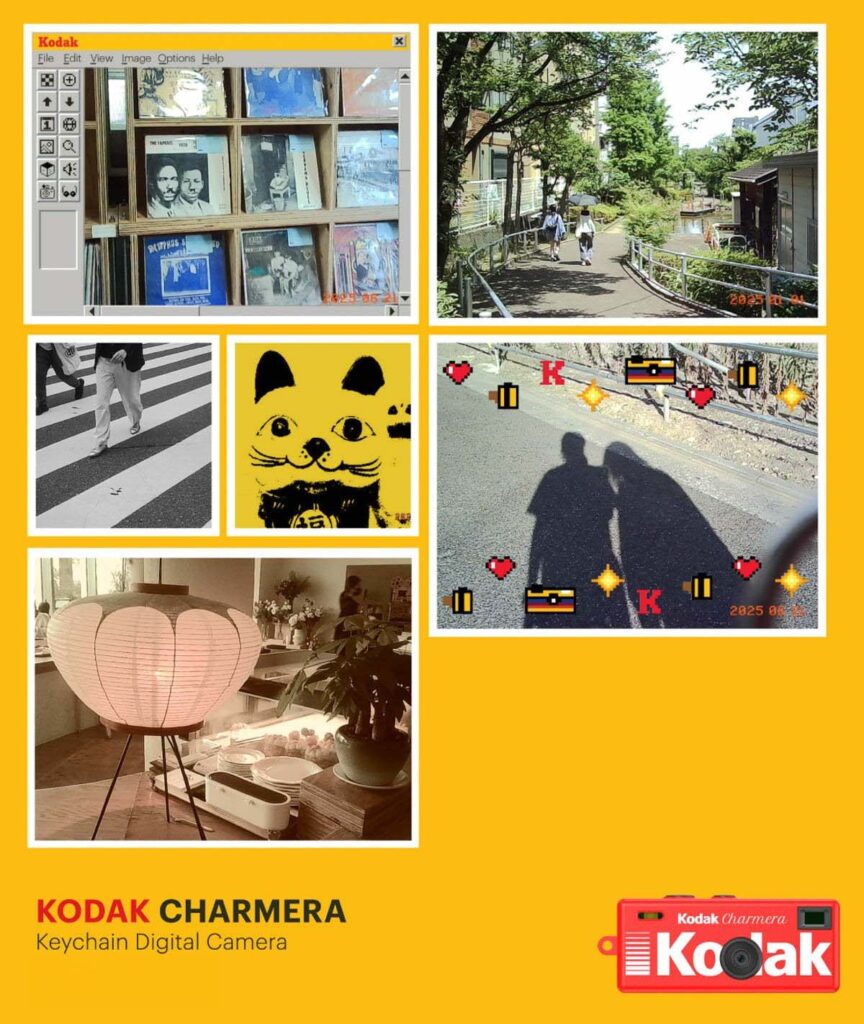
This stands in contrast to the four “pixel filters” (yellow, red, blue, and gray). While the vibrant red, blue and yellow options sounded useful at first, in practice, they can render complex scenes almost indecipherable.
The last thing you want is looking back on old photos and you can’t even tell what you took a picture of, because the already low quality was further ruined by a filter.
Surprisingly, the gray pixel filter is probably the one that is somewhat usable. It creates a unique effect that sometimes makes images look like a drawing.
Black and white is pretty standard. I wish it were more more contrasty, to get more moody photos, but that might take away from the ‘fun’ image this camera is trying to present.
The surprises continue with the camera’s four built-in frames. There’s a “film frame” with sprocket holes and a “paint software” frame that puts your photograph inside an “MS Paint”-looking frame, except instead of a “Paint” label, its labeled as “Kodak”.
The most popular one will probably be the “Kodak frame” that is sure to appeal to fans of Japanese “Purikura” photobooths or maybe Korean “Life Four Cuts” fans. This Kodak frame adds icons around your photo – hearts, rolls of film, a ‘K’ for Kodak and icons of the camera itself. It’s not my thing personally, but I can understand that for some people this alone is a selling point. It is a delightful option for photos of family and pets, reinforcing the camera’s fun-first identity.
These features ensure that while the final JPEG image is decidedly low-fi, the process of capturing, charging, and managing files is pretty much modern and as hassle-free as can be. There is a tiny, automatic LED flash that may fire in low light, but like everything else, you have no control over it.
The same thing extends to the video side – the video is so jerky and choppy, that it is perhaps more successful in emulating choppy Super 8 footage, than the stills photos are in emulating any vintage camera.
The Real Product is Freedom from even Attempting Perfection
Using the Charmera is a lesson in letting go. You cannot control technical settings like ISO, shutter speed, or aperture; the camera automates everything. For many photographers accustomed to manual controls, this might sound like a nightmare, but in practice, it’s liberating.
This limitation removes the stress of “getting the best settings” and eliminates the technical obsession that can often get in the way of simply experiencing a moment. The focus shifts from the technical act of taking a picture to the simple joy of capturing a memory, however imperfect.
This is where it is similar to a smartphone, but yet, the experience is so different. I would argue that this camera forces the user to be present. I mean, you basically have no choice. Like how most people use standard smartphone camera apps, you don’t have control over any of your exposure settings. Unlike a smartphone however, you have no choice to turn any controls on, not even exposure compensation. And, unlike a smartphone, you know you’re getting a low-fi image.
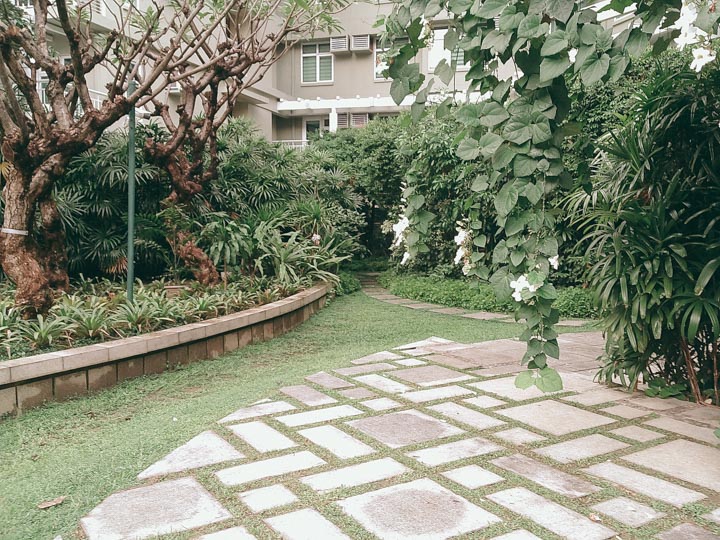
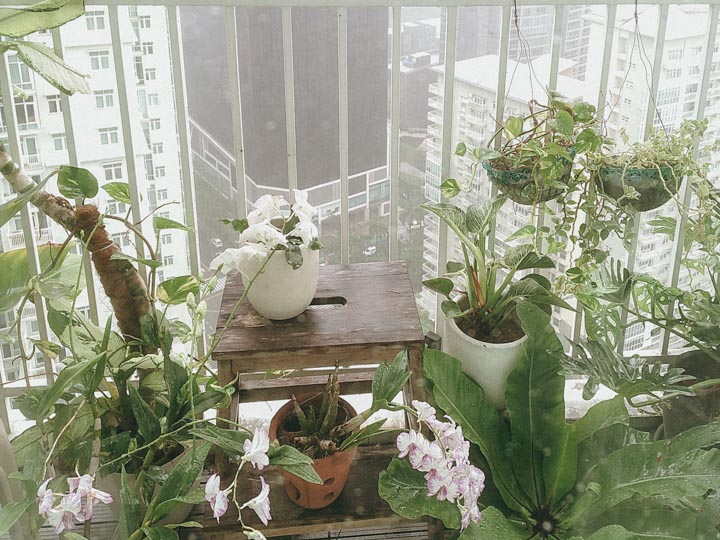
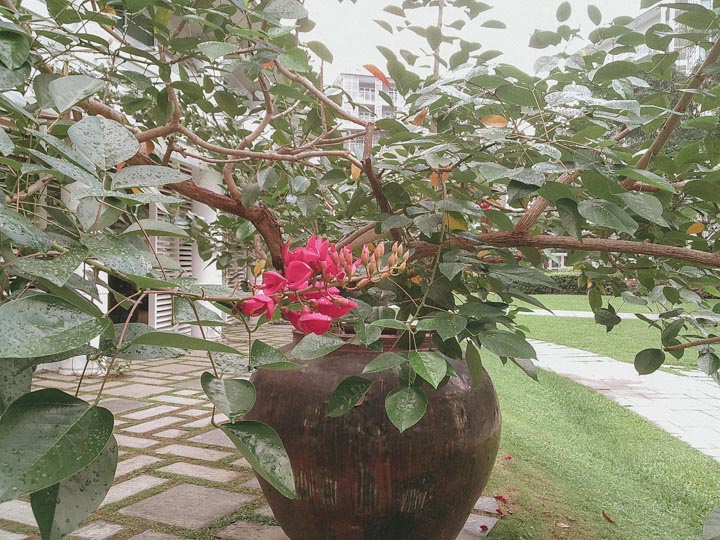
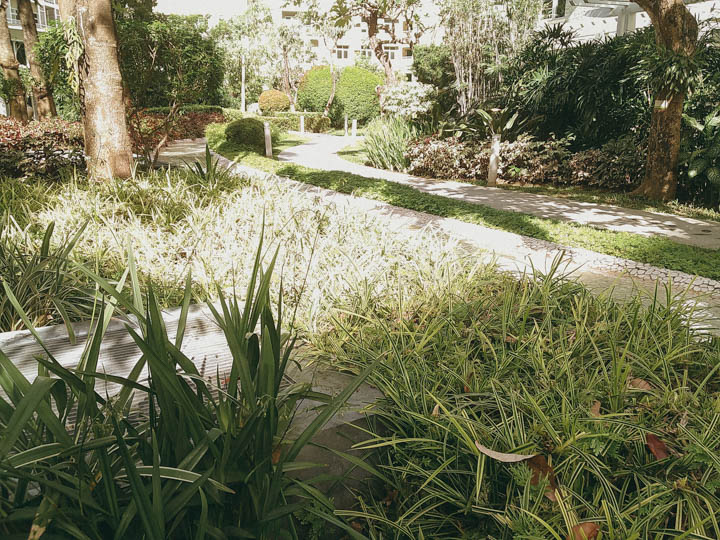
Below, the first image is from the Kodak Charmera, the second one is made with one of my favorite ‘vintage camera apps’ on iPhone – the Dazz cam app, and the third pic is the regular shot taken with the stock iPhone camera, in this case I took this with the main camera on the iPhone 14 Pro Max.



The Charm of the Imperfect
The runaway success of the Kodak Charmera isn’t about its 1.6-megapixel sensor or its plastic lens. It’s a testament to a clever understanding of modern anxieties. By packaging imperfection as a feature, leveraging the psychology of collecting, tapping into deep nostalgia, and offering freedom from technical stress, it provides a powerful counter-narrative to the camera industry’s relentless pursuit of more.
Now, most readers of this site are more ‘serious photographers’, and I am not sure if this is the kind of camera that can scratch an itch. I’ve already made some recommendations above – but just in case you missed it – maybe try the Dazz cam and mood.camera apps on your phone, first. Otherwise, a toy lens, whether fixed focused or autofocus like the Viltrox 28mm f/4.5 pancake lens might scratch your retro itch. Or, perhaps a Fujifilm Instax camera would be more appealing, even if it is quite a bit more expensive especially if you factor in the cost of Instax film.
For most readers of this site, the appeal of the Kodak Charmera is likely as a present to someone, maybe your kids, your grandkids, who may not really be into photography, but are looking for a camera with significantly less bulk than an Instax.
With more and more schools starting to ban screens and smartphones in school, it looks like iPods and other mp3 players are starting to become cool again. Perhaps, the Kodak Charmera will be the ‘no gadget’ replacement to the smartphone camera, in this instance.
If you want a vintage style camera with a larger sensor and the image quality that comes with it, one of the best retro-style digital cameras is probably more your thing. Or maybe the Fuji X-half?
Thank you for writing a thoughtful and engaging essay about the Kodak Charmera.
You’re right, the Charmera offers a chance to be free of perfection.
Great review!
I like last 3 photo comparison. Wish there were more different situations with 3 cameras.
Not sure if you intended, but you sold me on this.
Great review! And excellent insights, into the psychology of the marketing, distribution and appeal of the Charmera, with it’s intentional limitations, combined with modern ease of use.
I really appreciate the three photo comparison, it really shows how blown-out the highlights can be on the Charmera, especially the sky, in that comparison. But as you say, the results you get also depends a lot on the circumstances. And I appreciate the alternate suggestions, for those who want a retro look, but may still want better quality than the Charmera can provide. Great suggestions, thanks!
They had best chance to at least make something that looked like a Dazz (rules), but it turned out to be a pathetic imitation of a cameras from early ‘00s. Such poor overexposed shots would be unacceptable even for these years